
When Depression Comes from Unprocessed Grief or Trauma
Depression can stem from constant rumination about how wrong we are. It can come from one event where we believe we could have fixed something but didn’t show up how we needed to. Now we loathe who we are because we just didn’t fix it how we should have. When depression is stemming from our lack of action or over-action it hits differently. Something in the world is off balance and it’s our fault. I’m here to tell you that you can’t control the world and that burden isn’t yours to carry.
“If I only had…”
These statements we make to ourselves are so strong. They give us perceived power in a situation where we were powerless. Regret continues to overwhelm us and pushes us towards isolation and rigid behaviors meant to prevent the same thing from happening again. The more we give in to these beliefs the more we go inward and the cycle gets worse and worse.
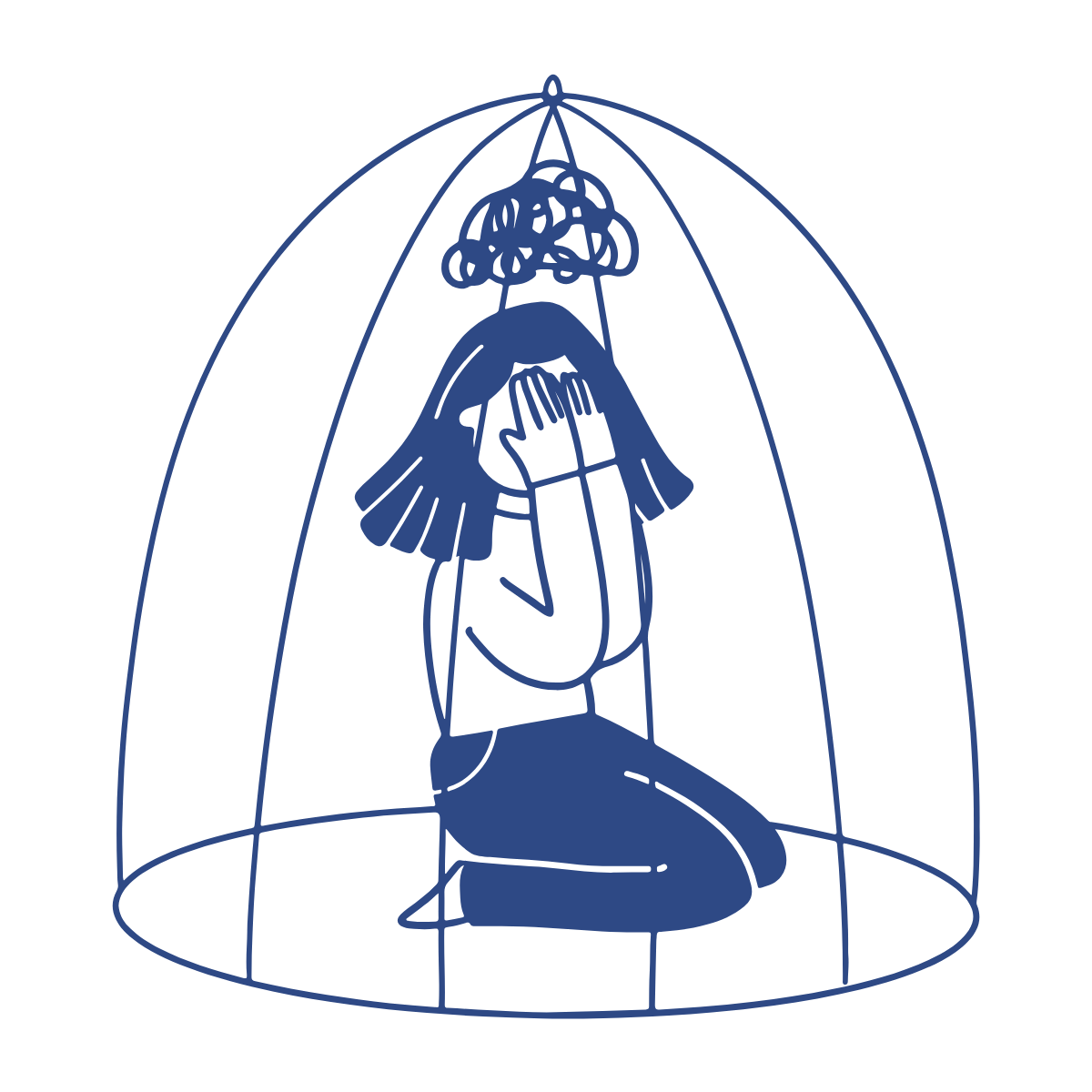
Guilt vs. Shame
Guilt tells us that we did something wrong. The natural reaction to guilt is to learn from what we did and restore the balance now and in the future. Shame tells us “there is something wrong with me.” Shame tells us that we aren’t who we thought we were. We internalize that and become self-conscious and self-loathing.
Moral Injury
Moral injury is the deep distress that can occur when an experience conflicts with our deeply held values or beliefs about what is right and wrong. It can stem from betrayal, something you witnessed, your actions, or something you failed to act on. One way to understand this is that we have to either accommodate this new information as a possibility or reject it. When we can accommodate the information, we can figure out how to move forward and grieve what we missed. When we can’t accommodate it, we get shame and self-blame. It becomes black and white, and we are at the center of it all. In a strange way, blaming ourselves can give us a sense of control over something that was outside of our control. If it was our fault, then maybe we could have prevented it. We perceive that we had the power to control events that took place outside of ourselves.
What is mine and what isn’t?
That can be a hard question to ask yourself. You might imagine that it probably isn’t healthy to take no responsibility in a situation you were involved in, and it’s also not healthy to hold on to 100% of the responsibility. Think about every single factor that was involved in the result of a harmful situation. There are usually lots of factors like history, perceptions, actions taken, who gave the orders, who started the fight, who pulled the trigger. There are tons of factors involved in every situation. You aren’t the only one in the control room for the world.
We live in our environment, systems, and around completely different people with completely different histories. We follow different rules in every different system we are a part of. There is responsibility all over the place! We can only control and take responsibility for our part in it.
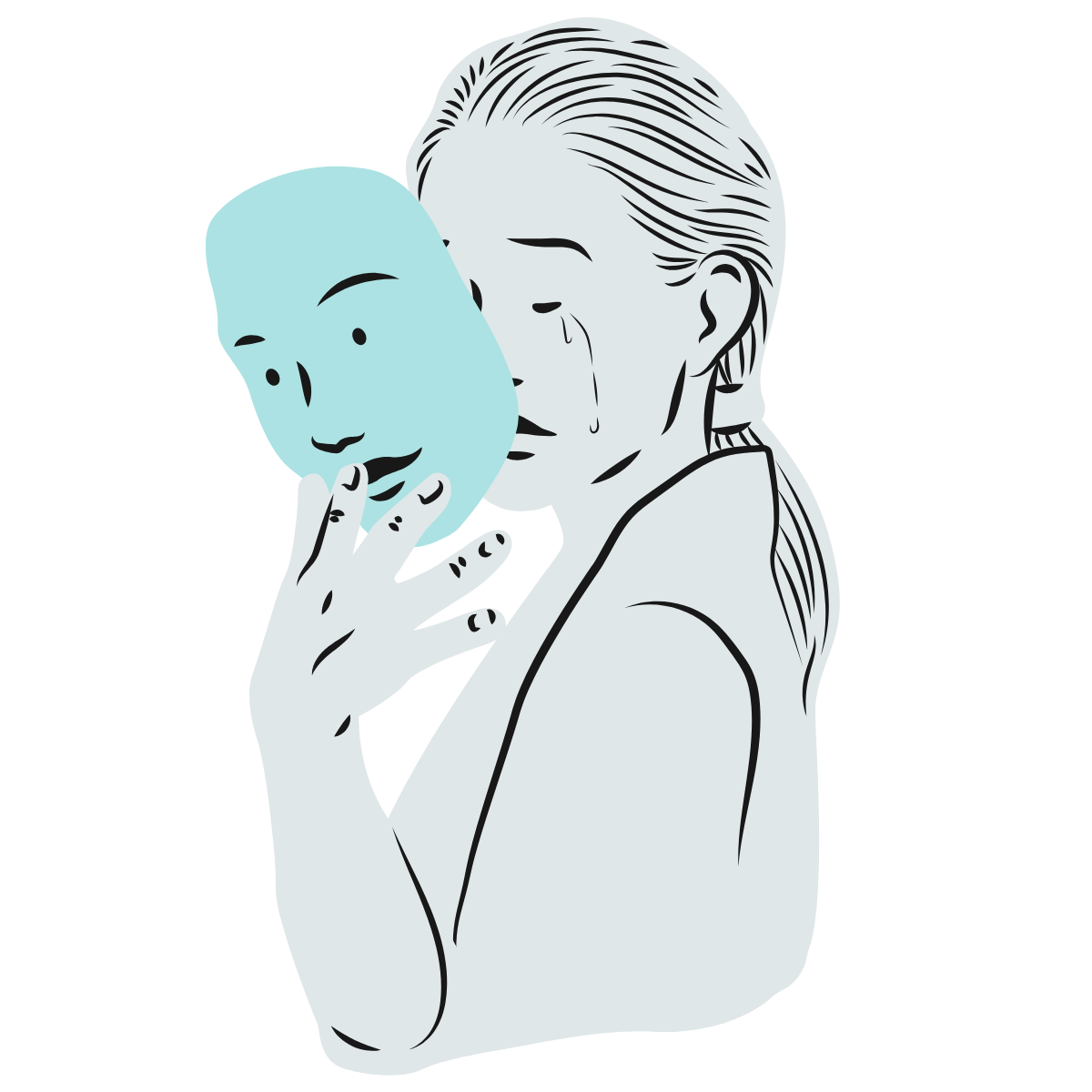
How do we find our responsibility?
Ask yourself: What belonged to me? What belonged to someone else? What belonged to circumstances no one could control?
What do we do with our responsibility?
#1. Take responsibility for your actions. Having some guilt is okay here. Use that guilt to learn from the situation and move forward in your life in a way that is healthy and not harmful.
#2. Set boundaries when they are needed. This feeds directly from #1. Did part of the responsibility fall on someone else as well? This is where we decide what we do and don’t want in the future for ourselves. Set boundaries where we need to without having the expectation that we can control others. Setting boundaries and enforcing boundaries is a completely different discussion but keep that in mind if this applies to you.
#3. For circumstances completely outside of your control, grieve. Grieve your loss. Grieve your changed world. Grieve the part of you that has had to change to accommodate this information.
We are personally responsible for all these things when we want to move forward in a balanced way and have room for happiness in our lives.
A Note on Codependence
If your depression comes from relationships and you are looking at your responsibility, I would ask yourself if you carry excessive responsibility for others. Do you attempt to manage other people’s choices or emotions? Codependence may be a factor. You can only control your own actions and choices, and the same goes for each person in the world. Your actions towards others may have consequences that keep coming up and you don’t understand. Examine those.
Figure out where you are responsible. Set boundaries and follow boundaries, if needed, and grieve your losses. Trust me, in the end, happy and functional relationships are worth it.
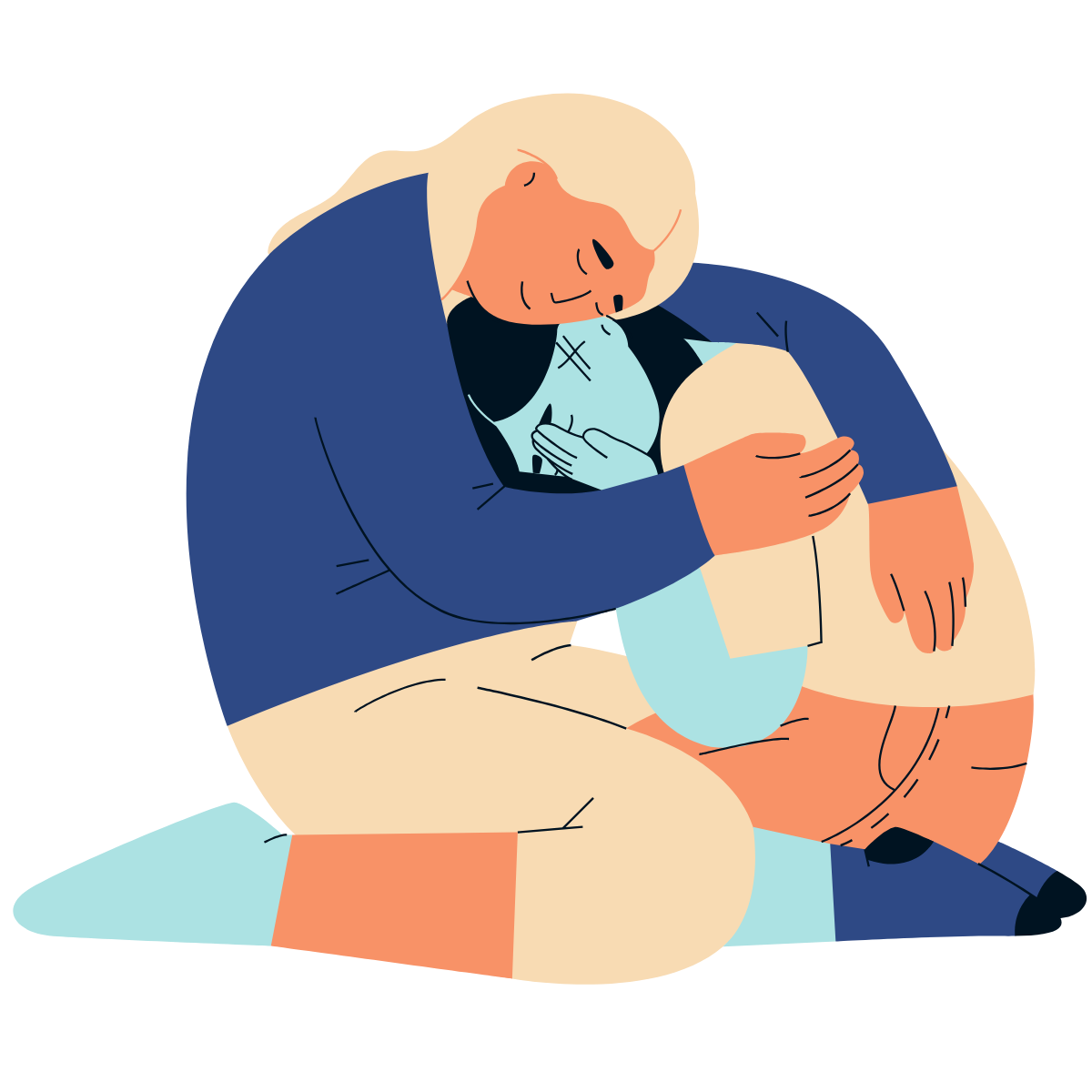
Grief
Grief doesn’t have to mean that you are stepping into the ultimate death of a feeling, a person, safety, a future you wanted, or whatever it is. Things change. Life comes with constant death. One door closing while another opens. Something important to remember is that you are here and it is your choice to grow in our ever-evolving world. Appreciate what you had, who you were, and the impact of whatever happened. From grief we can find self-compassion. We can find who we are. We can appreciate things more fully. “The art of life is not controlling what happens to us, but using what happens to us.” – Gloria Steinem
The End
I hope you are able to shift whatever thoughts you have held onto regarding your responsibility in life into something meaningful. I hope you can take responsibility where needed and give the rest to the universe.
Grieve what you lost. Love yourself more. And talk to yourself better!
References
Broomhall AG, Phillips WJ, Hine DW, Loi NM. Upward counterfactual thinking and depression: A meta-analysis. Clin Psychol Rev. 2017 Jul;55:56-73. doi: 10.1016/j.cpr.2017.04.010. Epub 2017 Apr 27. PMID: 28501706.
Norman, S. B., & Maguen, S. (n.d.). Moral injury. U.S. Department of Veterans Affairs, National Center for PTSD. https://www.ptsd.va.gov/professional/treat/cooccurring/moral_injury.asp
Shi C, Ren Z, Zhao C, Zhang T, Chan SH. Shame, guilt, and posttraumatic stress symptoms: A three-level meta-analysis. J Anxiety Disord. 2021 Aug;82:102443. doi: 10.1016/j.janxdis.2021.102443. Epub 2021 Jul 2. PMID: 34265540.
Steinem, G. (1992). Revolution from within: A book of self-esteem. Little, Brown and Company.
Winders SJ, Murphy O, Looney K, O'Reilly G. Self-compassion, trauma, and posttraumatic stress disorder: A systematic review. Clin Psychol Psychother. 2020 May;27(3):300-329. doi: 10.1002/cpp.2429. Epub 2020 Feb 5. PMID: 31986553.
