
Trauma and PTSD Therapy
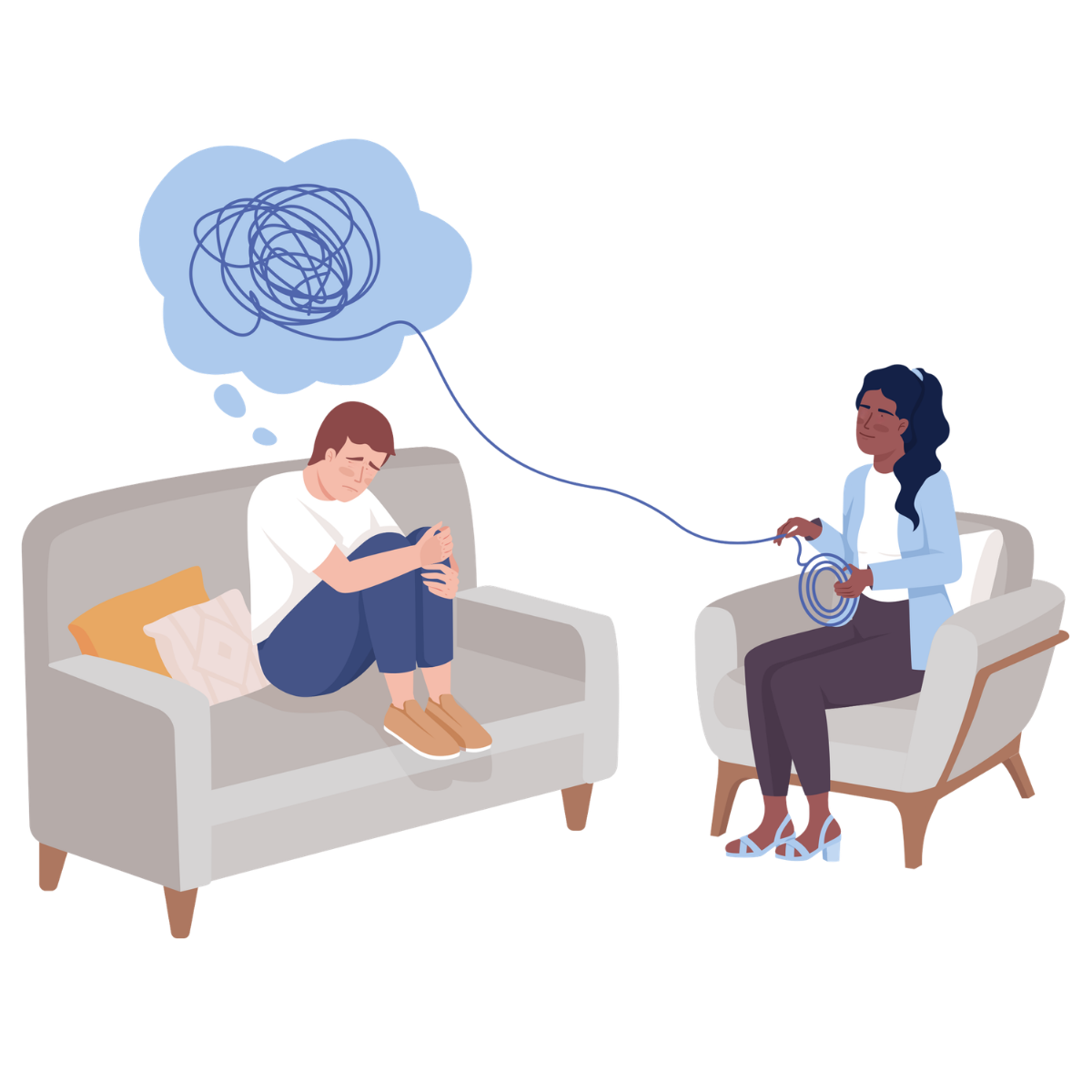
You deserve to feel safe in your life again.
Sometimes, experiences from the past can continue to affect how you feel, think, and respond to the world around you. You might find yourself reliving difficult memories, feeling anxious without knowing why, or struggling to trust others or feel at ease, even when life seems calm on the surface.
Trauma can leave you feeling disconnected from yourself, your relationships, or the life you want to live. And while these responses can be difficult to understand, they are not a sign of weakness. They may be ways your mind and body have learned to cope with what you've been through.
At Jeanes Mental Health Services, we offer compassionate, evidence-based therapy for trauma and post-traumatic stress disorder (PTSD). Through secure Telehealth sessions, we support individuals across Georgia and North Carolina as they work through painful experiences, develop a greater understanding of their responses, and move toward healing at a pace that feels right for them.
Understanding the Effects of Trauma
Trauma isn't defined solely by what happened. It can also be understood through how an experience continues to affect you long after it has passed.
For some, the effects are immediate and recognizable. For others, they may emerge gradually or become more noticeable during periods of stress, change, or uncertainty. You may understand that an experience is in the past while still finding yourself reacting as though the danger hasn't fully passed.
Trauma and PTSD can affect people in different ways, including:
Intrusive memories and flashbacks: Finding yourself unexpectedly reminded of a distressing experience or feeling as though you're reliving parts of it.
Sleep difficulties and nightmares: Struggling to rest because of recurring dreams, unsettling thoughts, or a persistent sense of alertness.
Avoidance: Staying away from certain places, people, conversations, or situations because they bring up painful memories or emotions.
Feeling constantly on guard: Experiencing heightened anxiety, being easily startled, or finding it difficult to relax, even in familiar surroundings.
Emotional changes: Feeling overwhelmed, irritable, numb, ashamed, or disconnected from emotions that once felt easier to manage.
Changes in trust and connection: Finding relationships more difficult or feeling distant from people, including those you care about.
Difficulty feeling present: Struggling with concentration, feeling disconnected from yourself, or finding it hard to engage in everyday life.
You don't need to identify with every one of these experiences to seek support. Whether you're living with a PTSD diagnosis or trying to understand the lasting effects of a difficult experience, therapy can help you explore what you're going through and identify a path forward.
How We Help
Trauma therapy is not about forcing yourself to revisit painful experiences before you're ready. It's about developing the understanding, support, and skills that can help you approach healing with greater confidence and care.
Our therapists draw on evidence-based approaches, tailoring treatment to your individual experiences, goals, and needs. Together, we'll work toward helping you understand your responses, manage distress, and build a stronger foundation for moving forward.
Processing Traumatic Experiences: With appropriate support and at a pace that respects your readiness, therapy can help you work through difficult memories, understand their ongoing impact, and gradually reduce the distress associated with them.
Understanding Your Mind and Body's Responses: Learning how trauma can influence your thoughts, emotions, and physical reactions can help you make sense of patterns that may have felt confusing or outside your control.
Developing Tools for Emotional Regulation: You'll have opportunities to build practical strategies for managing distress, grounding yourself during difficult moments, and responding to triggers with greater awareness.
Rebuilding Trust and Connection: Trauma can affect how safe you feel with yourself and others. Therapy can help you explore these changes, strengthen healthy boundaries, and work toward relationships that feel more secure and supportive.
Reconnecting With Life Beyond Trauma: Healing can also mean making room for experiences beyond what happened to you. We'll work toward helping you feel more present, regain a sense of agency, and move closer to the relationships, activities, and goals that matter to you.
Your progress doesn't have to follow a particular timeline. We meet you where you are and work collaboratively toward meaningful, sustainable change.
Insurance & Access
We accept most major insurance plans, including Blue Cross Blue Shield, Cigna, Optum, Aetna, UnitedHealthcare, and TRICARE. Coverage varies by state and plan, and we're happy to help you check your eligibility before your first session.
Why Telehealth Works
Beginning therapy can feel like a significant step, especially when you're working through experiences that have affected your sense of safety. Telehealth allows you to connect with your therapist from a space where you feel comfortable, without the added stress of traveling to an office.
Our sessions are conducted through Zoom, making it easier to access consistent support while maintaining the flexibility of your everyday routine. We use secure technology designed to protect your privacy, so you can focus on your conversations and therapeutic work.
Whether you're beginning to make sense of your experiences or continuing a healing journey you've already started, you deserve access to thoughtful, compassionate care.
Ready to Take the First Step?
You don't have to know exactly where to begin. You don't need to have the right words for what happened or a clear picture of what healing should look like.
Reaching out can simply be a way to start understanding yourself a little better, with someone there to help you navigate what comes next.
Schedule Your First Session →
Or call us today at 678-805-7181 or email info@jeanesmentalhealth.com. You deserve support that meets you with compassion, respects your experiences, and helps you move toward a life that feels more like your own.